This is What You Should Know About Cervical Spinal Fusion
As we age, it is not unusual to experience pain and stiffness in our neck. But if the problem becomes severe or is accompanied by numbness, tingling, or weakness in the extremities, then you may be a candidate for cervical spinal fusion.
If you are scheduled for cervical spinal surgery, there are important facts you should know so that you may have the best outcomes.
What is cervical spinal fusion?
In a healthy spine, the vertebrae are separated by discs, which allow flexibility and movement. However, issues with these discs can lead to severe pain, nerve compression, and decreased range of motion.
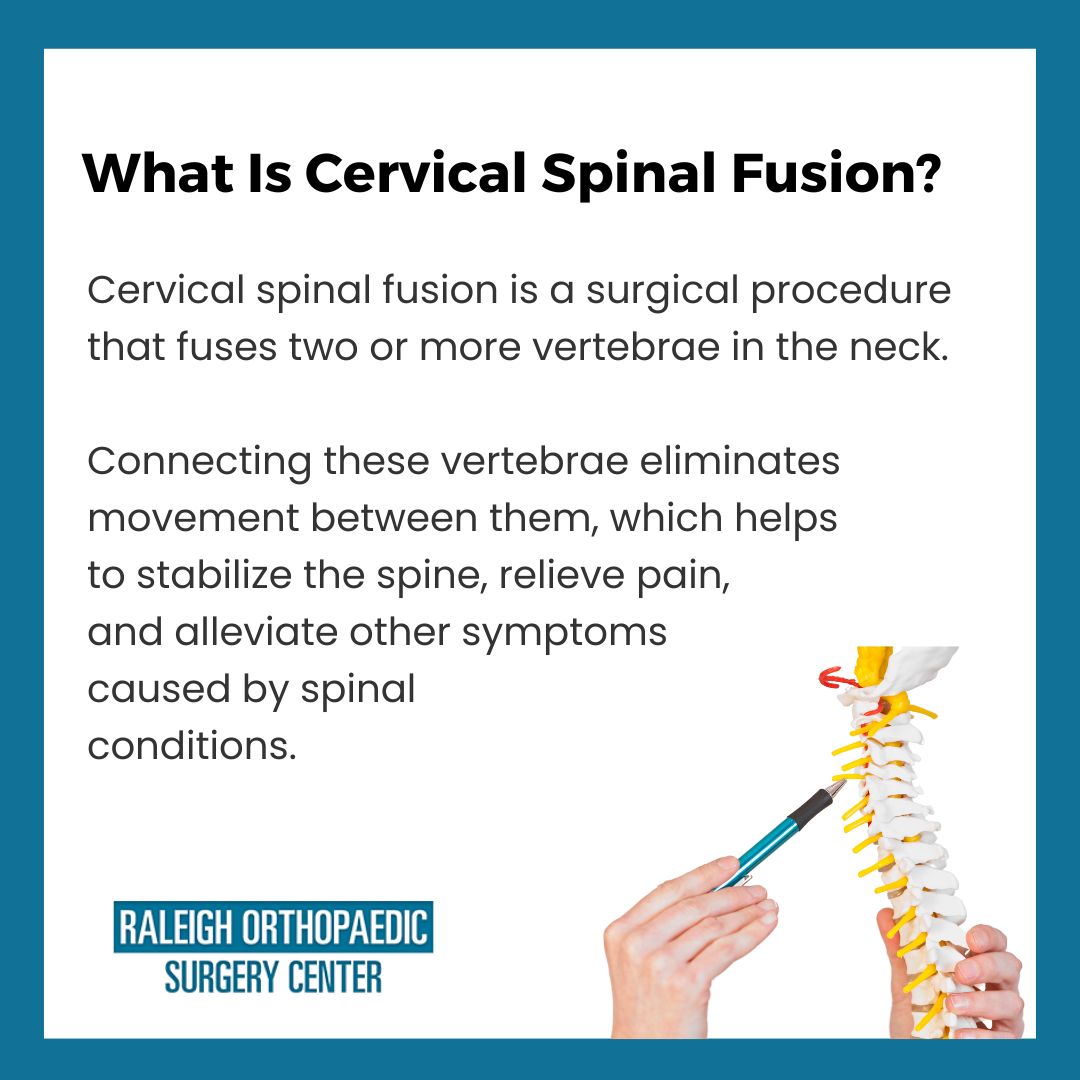
Cervical spinal fusion is a surgical procedure that fuses two or more vertebrae in the neck. Connecting these vertebrae eliminates movement between them, which helps to stabilize the spine, relieve pain, and alleviate other symptoms caused by spinal conditions.
The goal of cervical spinal fusion is to prevent movement at a painful or unstable segment of the neck, offering relief to patients.
When is cervical spinal fusion recommended?
Cervical spinal fusion is typically considered a last-resort treatment option after conservative methods have failed to provide lasting relief. Common reasons for cervical spinal fusion include:
- Degenerative disc disease
- Herniated discs
- Spinal stenosis
- Injury or trauma to the spine
- Spinal deformities (e.g., scoliosis, kyphosis)
Surgery is often recommended if the symptoms are severe, persistent, and impair daily functioning. A spine specialist will assess the individual’s condition and recommend fusion only if it’s deemed the best course of action.
How can I prepare before a cervical spinal fusion?
Before undergoing cervical spinal fusion, patients will go through several preparation steps to ensure a safe and successful procedure. Knowing what to expect during this pre-surgical phase can help ease anxiety and provide clarity.
- Pre-surgery consultation
First, you’ll meet with a spine specialist to review your medical history, perform a physical examination, and possibly order imaging tests like X-rays, MRI, or CT scans.
This evaluation helps determine the exact location and extent of the problem, allowing the surgeon to plan the best approach.
- Preparation instructions
In the weeks leading up to surgery, There are a few recommendations for patients to have successful outcomes:
- Stop smoking
If you smoke, now is a great time to quit. Nicotine can affect the fusion of the bones and slow healing.
Nicotine in any form can affect the fusing of the bones, including smoking cessation products that include nicotine. Please discuss this with your doctor, as they may be able to prescribe a medication to help you quit.
- Lose weight
Obesity is not only associated with degeneration in the spine; it may affect the outcomes of surgery. A high BMI is associated with an increase in operation time, blood loss, and complications post-operatively.
- Follow directions from all providers
Follow directions from all your providers to manage all your health conditions. During the months leading up to surgery, ensure that chronic diseases are managed appropriately.
Also, attend routine visits, ensure lab work is up to date, and take all medications as prescribed. Honest and open communication is vital.
- Arranging post-surgery assistance
Recovery after cervical spinal fusion requires limited neck movement, so that you might need help with daily activities during the initial healing phase.
Arrange for a friend, family member, or caregiver to assist you at home. Planning for transportation from the hospital and arranging for assistance with household tasks can make the transition smoother.
How does an orthopedic surgeon perform the surgery?
Cervical spinal fusion surgery typically takes a few hours and is performed under general anesthesia, meaning you’ll be asleep throughout the procedure.

To relieve symptoms in the neck, your surgeon will remove a disc or bone in the area of concern. The vertebrae will then be fused using a graft either in the front or back of the spine.
There are two types of grafts:
- Autograft- A bone is taken from your body
- Allograft- Bone that is donor bone from a bone bank
The vertebrae are securely connected with metal hardware to keep them immobile while the bones naturally fuse over time. The surgeon may use rods, plates, or screws may be inserted to stabilize the spine.
What should I know about post-op and recovery?
Recovery from cervical spinal fusion can take several weeks to months, depending on the extent of the surgery and the patient’s healing capacity.
The most important thing you should know about cervical spinal surgery is that the sooner you are active, the sooner you recover. Here’s what you can expect during your recovery:
- Immediate post-surgery phase
After surgery, you’ll spend a few hours in the recovery room. Most patients stay in the facility for one to two days. During this time, doctors and nurses will monitor your vital signs, pain levels, and general well-being.
You may experience neck pain and stiffness, which are managed with medications. Depending on your surgeon’s instructions, you may be fitted with a neck brace to limit movement and protect the fusion site.
- At-home recovery
Once discharged, the focus shifts to home care and rehabilitation. Your surgeon will provide detailed instructions on activity restrictions, such as avoiding heavy lifting, bending, or twisting your neck. You’ll be encouraged to take short walks to prevent stiffness, improve circulation, and promote healing.
Follow-up appointments are crucial to track the progress of your fusion. During these visits, your doctor may order X-rays or other imaging tests to ensure the bones are fusing correctly.
- Physical therapy
Physical therapists will work with you to design a program specific to your needs. Therapists may provide assistive devices to help you with daily living activities. Be sure to use all equipment as directed.
It is very important you do your exercise once you return home. Take your pain medication as directed to manage discomfort better as you recover. Also, remember to wear your brace as your surgeon and support team directed.
- Long-term outlook
Complete fusion typically takes 3-6 months. During this time, staying consistent with physical therapy, maintaining a healthy diet, and avoiding smoking are key factors that can positively impact your recovery.
Have Questions About Cervical Spinal Surgery? Raleigh Orthopaedic Surgery Center is Here For You
We are the largest and most modern outpatient surgical center in NC. Our specialty is orthopedic care.

Our team of Raleigh orthopedic surgeons prides itself on providing outstanding patient satisfaction and superior clinical outcomes at the appropriate cost. We are experts in several orthopedic surgical procedures, including cervical spinal surgery.
Call Raleigh Orthopaedic Surgery Center today at 919-719-3070 for more information.
The material contained on this site is for informational purposes only and DOES NOT CONSTITUTE THE PROVIDING OF MEDICAL ADVICE, and is not intended to be a substitute for independent professional medical judgment, advice, diagnosis, or treatment. Always seek the advice of your physician or other qualified healthcare providers with any questions or concerns you may have regarding your health.